Teaching a child about Islam is not the same as teaching them to recite Quran. It means building daily habits, explaining manners, and answering the questions kids naturally ask about faith.
This guide covers practical ways parents can introduce Islamic values at home, alongside structured options like Islamic studies classes for kids for families who want extra support.
Why Teaching Islam to Children is Essential
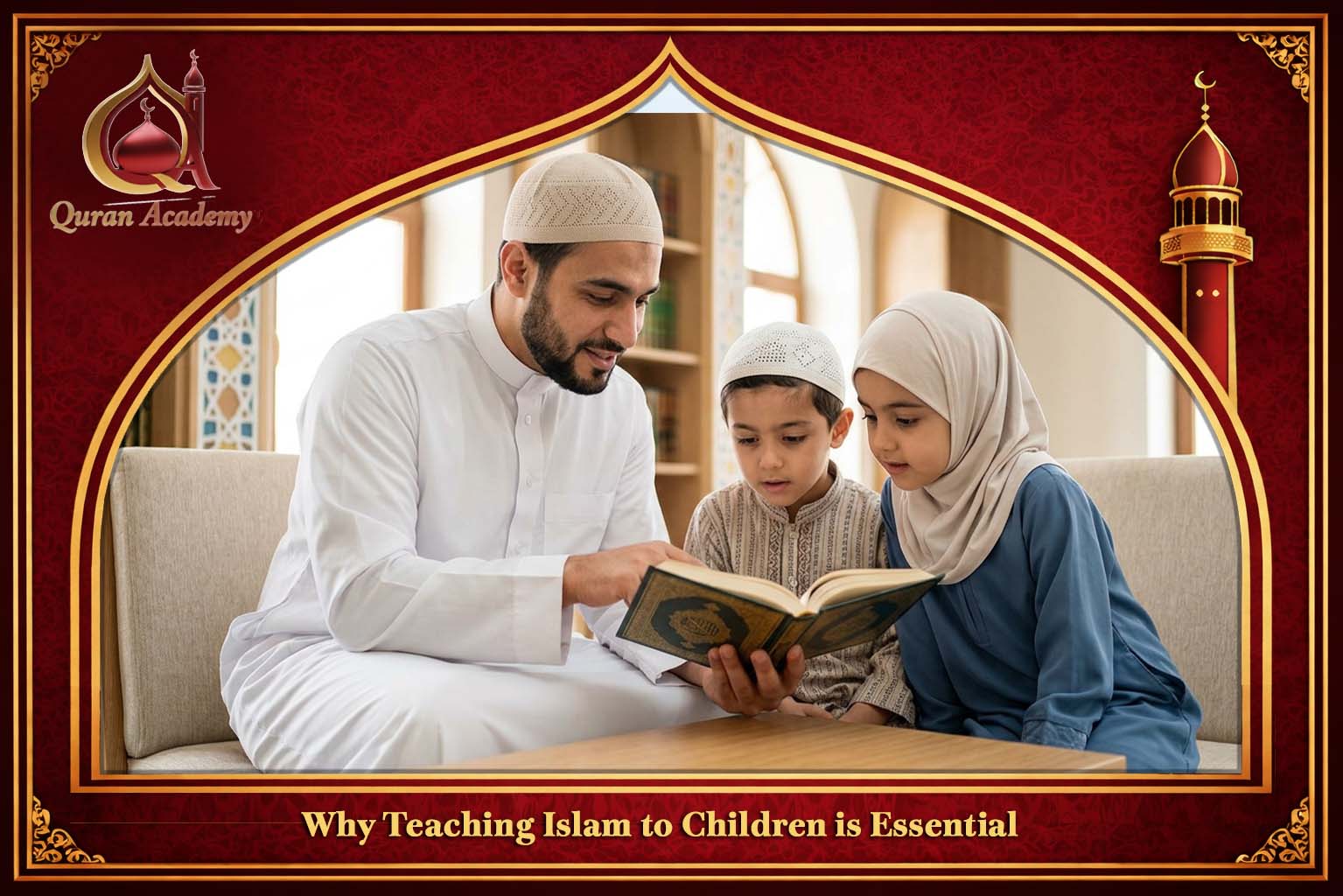
The early years of a child’s life are the most influential in shaping personality, behavior, and moral values. During this stage, children absorb everything around them—language, habits, beliefs, and emotional responses. For this reason, teaching Islam early creates a strong foundation that remains with them throughout adulthood.
When parents teach children Islam correctly, the religion is not seen as a burden or obligation, but as a natural way of life. Children begin to associate Islam with love, peace, kindness, and purpose. They learn that Islam is not just practiced in rituals, but lived in daily actions such as honesty, respect, and compassion.
Another important reason is identity formation. In multicultural environments, children often face questions about who they are and what they believe. A strong Islamic foundation helps them feel confident in their identity instead of feeling confused or uncertain. This is where supportive educational systems like the Quran Academy play a powerful role in strengthening both knowledge and confidence.
Online Quran Academy
Online Quran Academy is an effective solution for teaching children Islam in a structured and flexible way. Through the Quran Academy, kids can learn Quran recitation, Islamic studies, and basic beliefs with qualified teachers from home.
This helps parents maintain consistent learning without time or location barriers. The platform uses interactive and engaging methods that make learning easier and more enjoyable for children. By combining modern technology with authentic Islamic education, quran academy supports families in building a strong foundation of faith, understanding, and proper Quranic learning.
The Core Principles of Islamic Education for Children
Teaching Islam to children begins with simplifying the core principles of the religion. These principles are not introduced as abstract theories but through storytelling, examples, and practical activities.
The Shahada (Faith Declaration)
The Shahada is the first and most important pillar of Islam. It teaches children the belief in one God and the message of Prophet Muhammad (peace be upon him). For young children, this concept begins with repetition and emotional connection rather than deep explanation.
As children grow, they start to understand that believing in one God means trusting Him, loving Him, and following His guidance in everyday life.
Prayer (Salah)
Prayer is one of the first practical acts children learn. At the beginning, they observe their parents and imitate simple movements. Over time, they gradually understand the meaning and importance of each step.
Children should never feel forced. Instead, prayer should be introduced as a peaceful moment of connection with Allah. When children grow up in an environment where prayer is normal and joyful, they naturally adopt it as part of their identity.
Fasting (Sawm)
Fasting teaches patience, discipline, and gratitude. For children, it starts with small, manageable experiences such as fasting for a few hours or participating in family Ramadan routines.
The goal is not obligation at an early age, but preparation. Children learn that fasting is about empathy—understanding how others feel when they experience hunger and appreciating blessings more deeply.
Zakat (Charity)
Zakat teaches children the importance of generosity and sharing. A simple way to introduce this concept is by dividing their money into three categories: saving, spending, and giving.
This method helps children understand responsibility and empathy. When they see their own contributions helping others, they develop a strong sense of social awareness and kindness.
Hajj (Pilgrimage)
Although children may not perform Hajj until adulthood, they can still learn its meaning through stories, visuals, and interactive models. Building a small representation of the Kaaba or watching videos of the pilgrimage helps them understand the unity of Muslims around the world.
This creates a sense of belonging to a global community, which is a powerful emotional connection.
Read also: Arabic letters for kids
The Six Pillars of Faith Explained Simply
Alongside the Five Pillars, children should also learn the Six Pillars of Faith in a simplified way:
- Belief in Allah: Understanding that everything in creation has a Creator.
- Belief in Angels: Recognizing that Allah created unseen beings who carry out His commands.
- Belief in Books: Knowing that Allah sent guidance through holy scriptures, with the Quran being the final message.
- Belief in Prophets: Learning from the lives of prophets who guided humanity.
- Belief in the Day of Judgment: Understanding justice and accountability.
- Belief in Divine Decree: Learning that everything happens with Allah’s wisdom.
When explained through stories and real-life examples, these beliefs become meaningful rather than abstract ideas.Users can also explore aqidah course online for kids USA for more related options.
Read also: learn Noorani Qaida
Age-Based Islamic Learning Approach
Effective Islamic education must match the child’s developmental stage.
Ages 3–5: Sensory Learning
At this stage, children learn through repetition, sound, and observation. They can memorize short phrases, recognize prayer actions, and enjoy listening to Quran recitation.Users can also explore best online arabic classes for kids for more related options.
The focus is on building love for Islam, not rules or obligations.
Ages 6–9: Story and Interaction
Children begin to understand stories and moral lessons. This is the perfect stage for introducing prophets’ stories, short Quranic surahs, and basic manners.
They also start asking deeper questions, which should be answered simply and honestly.
Ages 10–12: Understanding and Responsibility
At this stage, children develop critical thinking skills. They can understand the reasoning behind Islamic practices and begin to take responsibility for their worship.
They also start forming independent opinions, so respectful dialogue becomes important.
Teenagers: Identity and Reflection
Teenagers need guidance that connects Islam with real-life challenges. Topics such as identity, ethics, relationships, and purpose become essential.
Instead of strict instruction, mentorship and discussion work best during this stage.
Read also: quran tutor for beginners
Practical Methods for Teaching Islam
Children learn best through experience rather than theory. That is why interactive methods are essential. Storytelling is one of the most powerful tools because it helps children emotionally connect with lessons. Activities like drawing, role-playing, and crafts make learning more engaging.
Daily routines also play a major role. When children see Islam practiced naturally in their homes, it becomes part of their lifestyle. Structured learning systems such as the Quran Academy help families organize these methods into a consistent educational path.
How to Teach Islam to Kids in a Simple and Effective Way
Teaching Islam to kids requires a thoughtful approach that combines simplicity, consistency, and emotional connection. Children learn best when Islamic concepts are introduced in a way that is easy to understand and relevant to their daily lives. Instead of overwhelming them with complex ideas, parents and educators should break lessons into small, meaningful parts that can be practiced regularly.
One of the most effective strategies is connecting Islamic teachings to real-life situations. For example, teaching honesty through everyday interactions or kindness through sharing helps children understand Islam as a way of life rather than just theoretical knowledge.
Repetition is also essential. When children hear and practice the same concepts consistently through stories, routines, and reminders, these teachings gradually become natural habits. Over time, this method builds strong behavioral patterns and a solid Islamic foundation.
Structured platforms such as a quran academy can support this process by organizing lessons into clear stages, ensuring steady progress without confusion or pressure.Users can also explore islamic courses online for more related options.
The Importance of Building Love for Islam at an Early Age
A common mistake in religious education is focusing only on rules without developing an emotional connection. When parents teach Islam to kids through love, encouragement, and positive experiences, children naturally build a strong attachment to their faith.
Love for Islam begins with simple experiences such as listening to Quran recitation in a peaceful environment, celebrating Islamic occasions like Ramadan and Eid, and sharing inspiring stories of the Prophets. These experiences create lasting positive associations.
When children feel that Islam brings comfort and happiness, they are more likely to practice it willingly as they grow older. This emotional connection is far more powerful than strict instruction or pressure.
Supportive environments—whether at home or through structured programs like a quran academy—help reinforce this connection consistently.
Teaching Islamic Manners and Daily Behavior
Islamic education goes beyond beliefs and rituals; it also includes everyday behavior and character development. Teaching good manners is one of the most practical ways to help children live Islam in their daily lives.
Simple habits such as saying “Bismillah” before eating, greeting others with “Assalamu Alaikum,” and showing respect to parents and elders are essential building blocks. When practiced consistently, these actions become natural behaviors.
Parents play a key role as role models. Children observe and imitate what they see more than what they are told. When they witness honesty, patience, and kindness, they are more likely to adopt these qualities themselves. This practical approach ensures that Islamic teachings are not just memorized but actively lived.
Using Stories of Prophets to Teach Islamic Values
Storytelling is one of the most powerful methods for teaching Islam to children. Stories of the Prophets provide meaningful examples of patience, courage, honesty, and trust in Allah.
Children connect deeply with stories because they are engaging and easy to understand. Instead of presenting lessons as rules, stories show how Islamic values are applied in real-life situations.
For example, the story of Prophet Yusuf teaches patience and trust, while the story of Prophet Ibrahim highlights faith and obedience. These lessons become more memorable when presented through storytelling.
Interactive techniques such as role-playing, drawing scenes, or discussing lessons after the story can further enhance engagement and understanding.
The Role of Consistency in Teaching Islam to Kids
Consistency is one of the most important factors in successful Islamic education. Small daily efforts are far more effective than occasional long lessons.
Islamic learning should be integrated into daily routines rather than treated as a separate activity. Simple practices like short Quran recitation, daily duas, or reminders about good behavior can make a significant impact over time.
Consistency helps reinforce learning, build discipline, and prevent children from feeling overwhelmed. It turns Islamic education into a natural part of everyday life.
Structured systems, such as a quran academy, support consistency by offering regular classes, clear schedules, and continuous progress tracking.
Combining Home Learning with Structured Islamic Programs
Parents are the primary educators, but structured programs provide valuable support and organization. Combining home-based learning with professional platforms creates a balanced educational system.
At home, children learn through observation, daily routines, and family interaction. In structured programs like a quran academy, they receive guided instruction, systematic lessons, and expert feedback.Users can also explore online arabic academy for kids for more related options.
This combination ensures that children benefit from both emotional support and academic structure. It also helps parents maintain consistency even with busy schedules. A blended learning approach creates a stable environment that supports long-term success.
Encouraging Curiosity and Questions in Islamic Learning
Children are naturally curious, and encouraging questions is essential for deeper understanding. When children ask questions about Islam, it reflects their interest and engagement.
Parents and teachers should welcome these questions and respond honestly in a way that matches the child’s level. If an answer is unclear, exploring it together can be more valuable than providing uncertain information.
This approach builds trust and teaches children that learning Islam is a continuous journey. It also strengthens critical thinking and encourages independent learning. Creating a supportive environment allows children to explore their faith with confidence.
Long-Term Benefits of Teaching Islam to Kids Properly
Teaching Islam to children in a structured and positive way leads to long-term benefits that go beyond knowledge. It shapes their identity, strengthens their moral values, and builds a lasting connection with their faith.
Children who receive proper Islamic education tend to develop strong character traits such as honesty, responsibility, and respect. These values influence their behavior in all areas of life.
They also gain a clear understanding of right and wrong based on Islamic principles, helping them make better decisions as they grow older.
In the long run, this foundation produces confident individuals who are spiritually aware, ethically grounded, and capable of contributing positively to society.
Read also: quran memorization tutor at home
Fun Activities That Make Learning Engaging
Some effective activities include:
- Building a model of the Kaaba
- Prophet story role-play
- Daily dhikr tracking charts
- Quran coloring activities
- Family Islamic quiz nights
These activities transform learning into enjoyment rather than obligation.
Common Challenges in Teaching Children Islam
Parents often face challenges such as lack of attention, boredom, or difficult questions from their children. These challenges are completely normal and part of the learning journey. The key solution is flexibility rather than pressure. If a child becomes bored, it is better to change the teaching method instead of repeating the same approach.
When children ask complex questions, honesty and shared exploration are more effective than giving uncertain answers. Parents can learn together with their children. Busy schedules can also be managed by integrating Islamic learning into daily routines, such as discussing stories during meals, practicing short duas, or listening to Quran during travel.
Read also: best way to learn quran
The Role of Parents in Islamic Education
Parents are the first teachers and the strongest role models in a child’s life. Children learn more from what they see and experience than from what they are simply told. When parents practice honesty, patience, prayer, and kindness in daily life, children naturally absorb these values and reflect them in their own behavior.
Islamic education is not only about words or lessons, but about living the teachings of Islam every day. Consistency and sincerity are more important than perfection. Even small actions, repeated daily, can shape a child’s character and build a strong Islamic foundation for their future life.
Tips for Successful Islamic Parenting
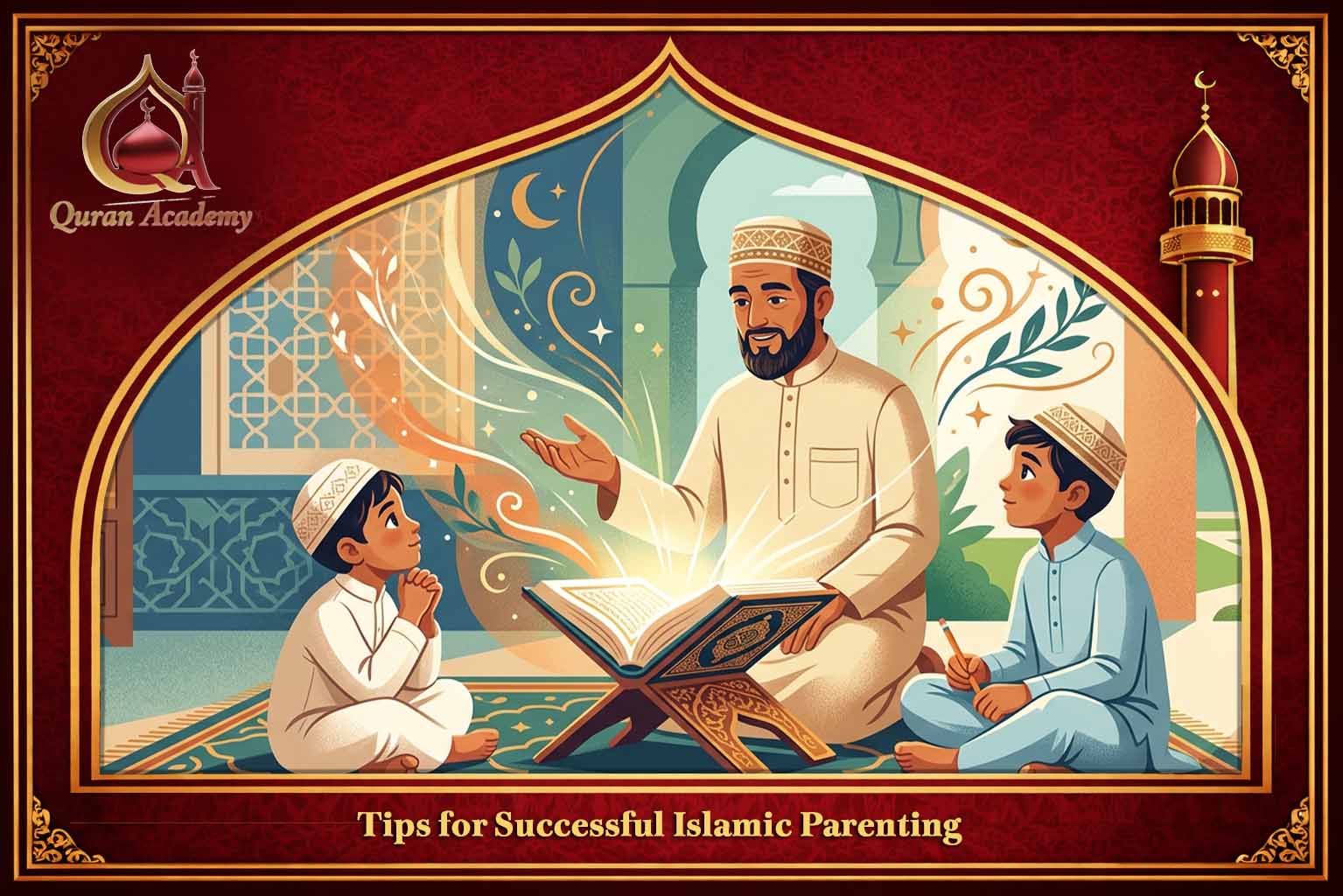
- Keep lessons simple and age-appropriate
- Focus on practice, not just memorization
- Use stories and interactive methods
- Avoid pressure and encourage curiosity
- Be a consistent role model
Over time, children develop love for Islam naturally when they feel supported and understood.
Frequently Asked Questions (FAQ)
1. What is the best age to start teaching Islam to kids?
The best time to start is as early as possible, even from ages 3 to 5. At this stage, children easily absorb habits like saying simple duas, listening to Quran, and observing prayer. The focus should be on love and repetition, not pressure or obligation.
2. Can parents teach Islam to kids without a teacher or structured program?
Yes, parents can begin teaching Islam at home using daily routines, stories, and practical examples. However, using structured platforms like quran academy helps organize learning, ensures correct understanding, and provides age-appropriate content that supports parents in the teaching process.
3. How can I make my child love learning Islam?
Children love what feels fun and natural. You can make Islamic learning enjoyable by using stories of prophets, interactive activities, games, and family participation in worship. Avoid forcing or turning learning into pressure. Consistency, kindness, and role modeling are the most powerful tools.
In conclusion,Teaching Islam to children is a continuous journey that focuses on building faith, character, and identity through love and consistency. When parents use patience, storytelling, and daily practice, Islam becomes a natural part of a child’s life rather than a burden.
A strong Islamic foundation helps children develop honesty, kindness, and responsibility from an early age while strengthening their connection with Allah. In today’s world, children need proper guidance, and combining home learning with tools like quran academy can provide structured support.
Ultimately, success depends on sincere effort, not perfection, and small daily actions create a lifelong impact on a child’s Islamic values and spiritual growth.