Ramadan is when many Muslims naturally read more Quran, but without a plan, that extra reading often fades after the first week or two.
Setting a fixed daily portion, tied to a specific time like after Fajr or before Iftar, makes it easier to keep a consistent habit through the whole month rather than relying on motivation alone.
What Does the Quran Say About Ramadan?
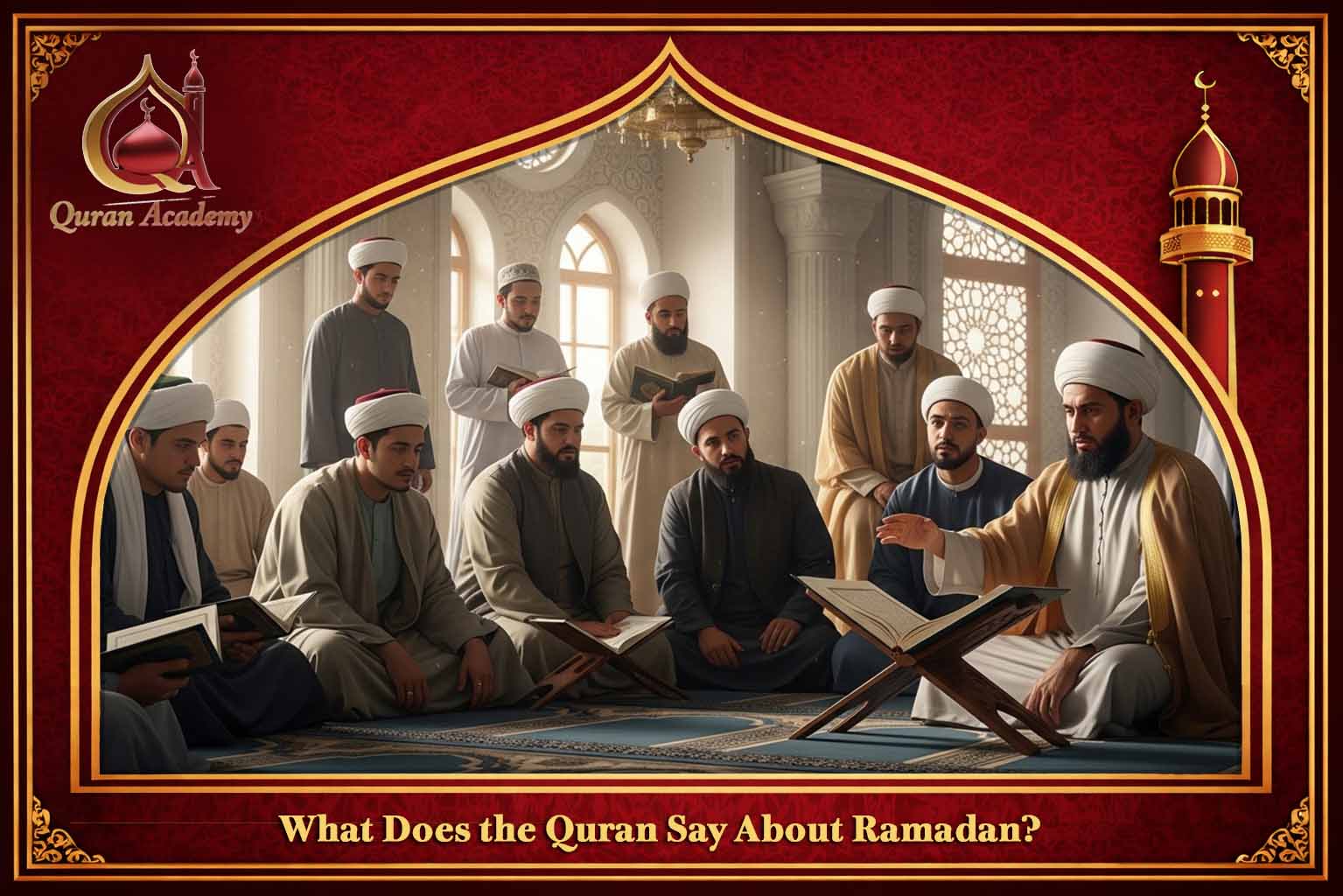
The Quran on Ramadan offers clear guidance on fasting and the practices associated with it. It answers many questions and removes any confusion. The Quran on Ramadan helps Muslims understand the rules they should follow during this holy month.
Fasting Rules in the Quran
During Ramadan, Muslims fast from dawn to sunset. They avoid food, drink, and intimate relations. The Online Quran Academy teaches that fasting is not just about giving up food, but also about avoiding impure thoughts and actions. It’s a time to purify the soul and grow closer to Allah.
Who Must Fast?
Fasting is required for all adult Muslims, according to the Quran. However, exceptions are made for those who are ill, pregnant, nursing, or traveling. The Quran academy highlights these exceptions as compassionate allowances. If a person cannot fast for any of these reasons, they must make up the missed fasts before the next Ramadan.
The Importance of the Quran During Ramadan
The Quran holds special significance during Ramadan.Muslims can also explore quran reading during ramadan to develop a consistent habit of recitation and reflection throughout the holy month. Reading it is a great way to gain blessings, especially during Taraweeh prayers. The Quran academy encourages Muslims to complete the entire Quran during this month. By reading one Juz’ each day, they finish the entire Quran by the end of Ramadan, deepening their spiritual connection.
In summary, Ramadan is a time for fasting, reflection, and spiritual growth. The Quran’s teachings help guide Muslims through this sacred month, encouraging them to grow closer to Allah through prayer and Quranic reflection.
Online Quran Academy
In today’s fast-paced world, technology offers a convenient way to connect with religious knowledge. Quran Academy offers an exceptional online platform that allows individuals to learn and understand the Quran from the comfort of their homes.
With experienced teachers, interactive lessons, and flexible schedules, students can deepen their understanding of the Quran, whether through memorization, recitation, or Tafsir.
The online setup at Quran Academy ensures that believers can strengthen their connection with the Quran, no matter where they are, making religious education more accessible and personal for everyone.

Verses About Ramadan in the Quran
The Quran includes several verses that highlight the significance of Ramadan, fasting, and the spiritual practices tied to this sacred month. These verses provide clear instructions on how Muslims should conduct themselves during Ramadan. Below are some of the key verses from the Quran that emphasize the importance of this blessed time:
Fasting is Obligatory for All Able Muslims
In the Quran, Allah (SWT) says:
“O you who have believed, fasting has been prescribed for you as it was prescribed for those before you, that you may attain righteousness.”
(Surah Al-Baqarah 2:183)
This verse underscores that fasting is obligatory for all capable Muslims. It highlights the goal of fasting: to attain taqwa (God-consciousness) and improve one’s life. The Quran emphasizes fasting as an essential practice during Ramadan, aiming to help believers grow spiritually and ethically.
The Quran Was Revealed in Ramadan
Another important verse connects Ramadan with the revelation of the Quran:
“The month of Ramadan [is that] in which the Quran was revealed, a guidance for the people and clear proofs of guidance and distinction. So whoever sights [the new moon of] the month, let him fast it; and whoever is ill or on a journey, then an equal number of other days. Allah intends for you ease and does not intend for you hardship.”
(Surah Al-Baqarah 2:185)
This verse reveals that Ramadan is not only a time for fasting but also the month in which the Quran was first revealed to the Prophet Muhammad (PBUH). It highlights the significance of this month and the Quran’s role as a source of guidance and distinction between right and wrong.
Guidelines for Fasting
The Quran provides specific instructions on how Muslims should observe fasting:
“It has been made lawful for you to go to your wives during the night of fasting. They are your garment, and you are their garment. Allah knows that you used to deceive yourselves, so He accepted your repentance and forgave you. So now, have relations with them and seek that which Allah has decreed for you. And eat and drink until the white thread of dawn becomes distinct to you from the black thread of night. Then complete the fast until the night.”
(Surah Al-Baqarah 2:187)
This verse clarifies essential aspects of fasting, such as abstaining from food, drink, and marital relations during the daylight hours. It also offers forgiveness for any mistakes and outlines the proper conduct during fasting hours.
In conclusion, the Quran’s verses on Ramadan provide clear and practical guidance on how Muslims should observe the fast, emphasizing both the spiritual and physical aspects of this important month.
Read also: online quran classes
Spiritual Lessons from the Quran About Ramadan
The Quran shows that Ramadan is a time for personal transformation. Fasting, prayer, and charity are not just temporary habits but long-term practices that shape a believer’s character and faith, even after the month ends. These lessons help guide Muslims in their everyday lives, beyond the month of Ramadan.
Building Self-Discipline
The Quran teaches that fasting during Ramadan helps build self-discipline. By refraining from food and drink, Muslims learn to control their desires and focus on higher goals. The online tajweed classes emphasizes that this practice of self-restraint extends beyond the month, allowing believers to live more consciously and in line with their values year-round. The Quran on Ramadan highlights that fasting helps develop greater discipline, which aids in overcoming life’s challenges with patience and determination.
The Significance of Mercy and Charity
The Quran on Ramadan strongly emphasizes the importance of mercy and generosity. Giving charity is a key part of a Muslim’s faith. The Quran reminds us that wealth is a trust from Allah and must be used to support those in need, especially during Ramadan. Acts of kindness strengthen the bonds of community and bring people together. The teaches that helping others is not just about giving money but also about showing compassion and fulfilling our moral duties toward one another.
The Hope and Renewal of Laylat al-Qadr
Finally, the Quran speaks of Laylat al-Qadr, a night full of hope and spiritual renewal. This night teaches that even a single night of sincere worship can bring dramatic change to a person’s life. The Quran tajweed academy reveals that Laylat al-Qadr brings immense blessings and mercy from Allah. This message of hope encourages Muslims to seek Allah’s mercy with open hearts and sincere devotion.
In conclusion, the Quran on Ramadan offers valuable spiritual lessons. It teaches believers to develop self-discipline, embrace mercy, and seek Allah’s blessings, helping to improve their lives both during Ramadan and throughout the year.
Read also: online quran classes for kids
Fasting: A Path to Taqwa (God-consciousness)
Fasting is a powerful path to developing taqwa (God-consciousness). By abstaining from food, drink, and other desires for the sake of Allah, a person learns self-control, patience, and sincerity. It reminds believers to be mindful of their actions and intentions, both in private and in public. Through fasting, the heart becomes more aware of Allah, strengthening faith and bringing a person closer to Him.
Why Fasting is Important in Islam
Fasting during Ramadan has one central goal: to achieve taqwa—a deep awareness of Allah. The Quran clearly states that fasting was decreed not only for Muslims but for those before them as well, to help them grow spiritually. It is an opportunity to purify the heart and the soul, strengthen one’s connection to Allah, and become more conscious of His commands and prohibitions.
The Spiritual Benefits of Fasting
Fasting is more than simply avoiding food and drink. It offers numerous spiritual benefits, such as teaching self-discipline, patience, and humility. By experiencing hunger and thirst, believers also develop empathy for those who suffer from hunger daily. This increased empathy leads to a greater desire to help others, particularly those in need.
Fasting Teaches Self-Control
Fasting encourages the development of self-control. During Ramadan, believers learn to resist their physical cravings and desires, which strengthens their willpower. This self-control helps them focus more on spiritual growth and less on material comforts. Through fasting, they learn to prioritize what truly matters in life.
Building Empathy for the Less Fortunate
Fasting allows individuals to understand the struggles of those who do not have enough to eat. This shared experience leads to greater empathy and compassion for the less fortunate. It motivates believers to increase their acts of charity and help those who are less privileged, creating a sense of community and solidarity.
Fasting Strengthens Faith
Fasting serves as a powerful reminder of the importance of faith. By giving up daily comforts, Muslims redirect their focus toward Allah. Ramadan is a time to reconnect with Allah’s guidance, seek His mercy, and deepen one’s commitment to worship. It offers an opportunity for spiritual renewal and a stronger connection to the Creator.
Fasting Promotes Moral Growth
The process of fasting encourages believers to grow morally. During this month, individuals focus on avoiding sinful actions and increasing acts of worship. As a result, fasting helps them grow as people—both spiritually and socially—encouraging them to live according to high moral standards.
Read also: online islamic classes
Ramadan and the Revelation of the Quran: A Sacred Connection
Ramadan is a month of deep spiritual significance, as it marks the time when the Quran was revealed to the Prophet Muhammad (peace be upon him). This sacred event transforms Ramadan into more than just a time for fasting; it is an opportunity to reflect on and connect with the divine teachings of the Quran.
The Quran’s Revelation During Ramadan
The online arabic academy was sent down to the Prophet Muhammad (peace be upon him) during Ramadan. This makes the month a time to honor and engage with the divine message, seeking to understand and live by its guidance.
Ramadan: A Time for Reflection and Connection with the Quran
Ramadan is a special time for believers to reflect on the Quran and strengthen their faith. Through prayer, recitation, and deep contemplation, Muslims connect more closely with the sacred text.
The Importance of Taraweeh Prayers During Ramadan
Taraweeh prayers are a key part of Ramadan. During these nightly prayers, Muslims gather to hear large portions of the Quran recited aloud, deepening their connection to the divine words.
The Quran as a Guiding Light During Ramadan
The Quran, revealed in Ramadan, provides believers with clear guidance. It reminds them of Allah’s mercy and offers instructions for living a righteous life.
Celebrating the Quran’s Revelation in Ramadan
Ramadan is not only a time for fasting but also a chance to celebrate the Quran’s revelation. This month offers a unique opportunity for spiritual growth and deepened understanding of the divine message.
Strengthening Faith Through the Quran During Ramadan
Fasting, prayer, and Quranic recitation during Ramadan allow believers to deepen their understanding and strengthen their connection with Allah’s guidance.
Read also: online arabic classes
Why Read and Memorize the Quran in Ramadan?
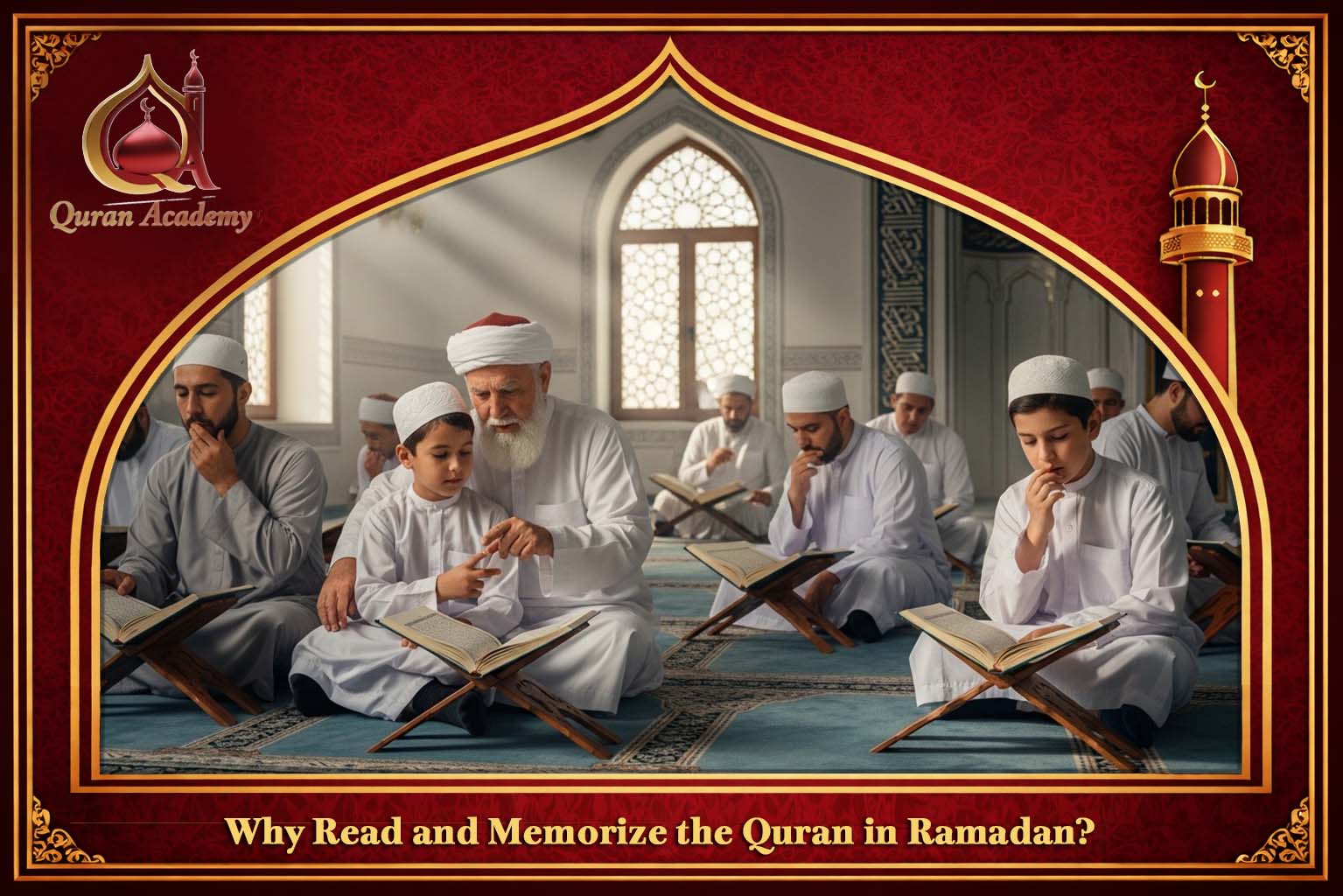
Engaging with the Quran on Ramadan is more than just fulfilling a spiritual obligation; it offers a unique chance to reconnect with the core of Islamic faith. By reflecting on the Quran on Ramadan, Muslims gain a deeper understanding of divine guidance, applying its teachings in everyday life.
This blessed month is a time to draw closer to Allah, seek His mercy, and embrace the peace and wisdom that emanate from His words. The Quran on Ramadan provides multiplied rewards for recitation, making it an essential practice for personal growth, forgiveness, and strengthening our relationship with the Creator.
The Quran on Ramadan: A Time for Reflection and Growth
Ramadan is not only about fasting; it’s a sacred time to engage with the Quran quranic arabic academy with mindfulness. The Quran on Ramadan holds special significance, as it is the month when the Quran was revealed.
During this time, Muslims have a rare opportunity to deeply reflect on Allah’s words, which offer spiritual nourishment. Reading the Quran on Ramadan helps us focus on personal growth, seek inner peace, and develop self-discipline in a meaningful way.
Seeking Forgiveness and Mercy Through the Quran on Ramadan
In Ramadan, the rewards for good deeds are multiplied, and reading the Online islamic academy becomes even more powerful. The Quran on Ramadan encourages us to seek Allah’s forgiveness and mercy, reminding us of His boundless compassion.
Engaging with the Quran during this month helps purify our hearts and strengthens our faith, guiding us to improve our connection with Allah through prayer and reflection.
Personal Transformation with the Quran on Ramadan
The Quran on Ramadan offers the opportunity for deep personal transformation. It’s a time to cleanse both heart and soul, as we turn to Allah for guidance through His words. When we read the Quran on Ramadan, we open ourselves to spiritual growth and the countless blessings of the holy month. Th
is period encourages us not just to recite the Quran but to internalize its messages, applying them in our lives to achieve peace, fulfillment, and righteousness.
In conclusion, Quran on Ramadan offers a powerful opportunity for believers to connect deeply with Allah’s divine guidance. As the Quran was revealed in this blessed month, Ramadan becomes a time for reflection, recitation, and spiritual growth.
At Quran Academy, we strive to help individuals better understand the online quran academy for kids , emphasizing the importance of its teachings and the spiritual benefits that come from engaging with the sacred text during this special time.
By dedicating ourselves to the Quran, we draw closer to Allah, seek His mercy, and strive for personal transformation, making this month truly transformative.
Frequently Asked Questions about Quran on Ramadan
Frequently Asked Questions about the Quran in Ramadan often focus on the rewards of reciting and completing the Quran during the holy month and the best times for reading it. Many people also ask about rules related to recitation, listening to the Quran, and how to reflect on and apply its teachings during Ramadan.
1.Why is the Quran so significant during Ramadan?
The Quran was revealed during the month of Ramadan, making it a sacred time to reflect on and connect with the divine message. Ramadan provides an opportunity to deepen one’s understanding of the Quran and grow spiritually.
2.How does reading the Quran in Ramadan benefit believers?
Reading the Quran during Ramadan brings spiritual rewards, strengthens faith, and helps Muslims become more mindful of their relationship with Allah. It is a time for reflection, personal growth, and seeking Allah’s mercy.
3.What role do Taraweeh prayers play in understanding the Quran during Ramadan?
Taraweeh prayers, performed at night during Ramadan, involve the recitation of long portions of the Quran. They allow believers to listen to the Quran and reflect on its meanings, making them an important part of connecting with the Quran during this sacred month.
4.Can I complete the entire Quran during Ramadan?
Many Muslims aim to complete the entire Quran during Ramadan, as the month offers a chance to read, recite, and reflect on its verses. It’s encouraged to read as much as possible, but the goal should always be sincere reflection rather than simply completing it.
5.How can I enhance my understanding of the Quran during Ramadan?
To deepen your understanding, consider reading Tafsir (Quranic exegesis), listening to Quranic scholars, and reflecting on the meanings of the verses. Engaging with the Quran through prayer, recitation, and contemplation can also increase spiritual awareness.
In conclusion, Quran on Ramadan offers a powerful opportunity for believers to connect deeply with Allah’s divine guidance. As the Quran was revealed in this blessed month, Ramadan becomes a time for reflection, recitation, and spiritual growth.
At Quran Academy, we strive to help individuals better understand the Quran on Ramadan, emphasizing the importance of its teachings and the spiritual benefits that come from engaging with the sacred text during this special time.
By dedicating ourselves to the Quran, we draw closer to Allah, seek His mercy, and strive for personal transformation, making this month truly transformative.
read more: