Kids around ages 8 to 12 can usually manage longer Arabic sessions and move faster through reading and vocabulary than younger children.
Quran Academy’s Arabic program for this age group builds on basic literacy toward fuller reading and conversation, at a pace suited to older kids.
With guided support, children gain confidence, improve communication skills, and develop long-term fluency. The goal is to make Arabic learning enjoyable, practical, and suitable for real-life use.
Understanding the Role of an Online Arabic Tutor for Kids
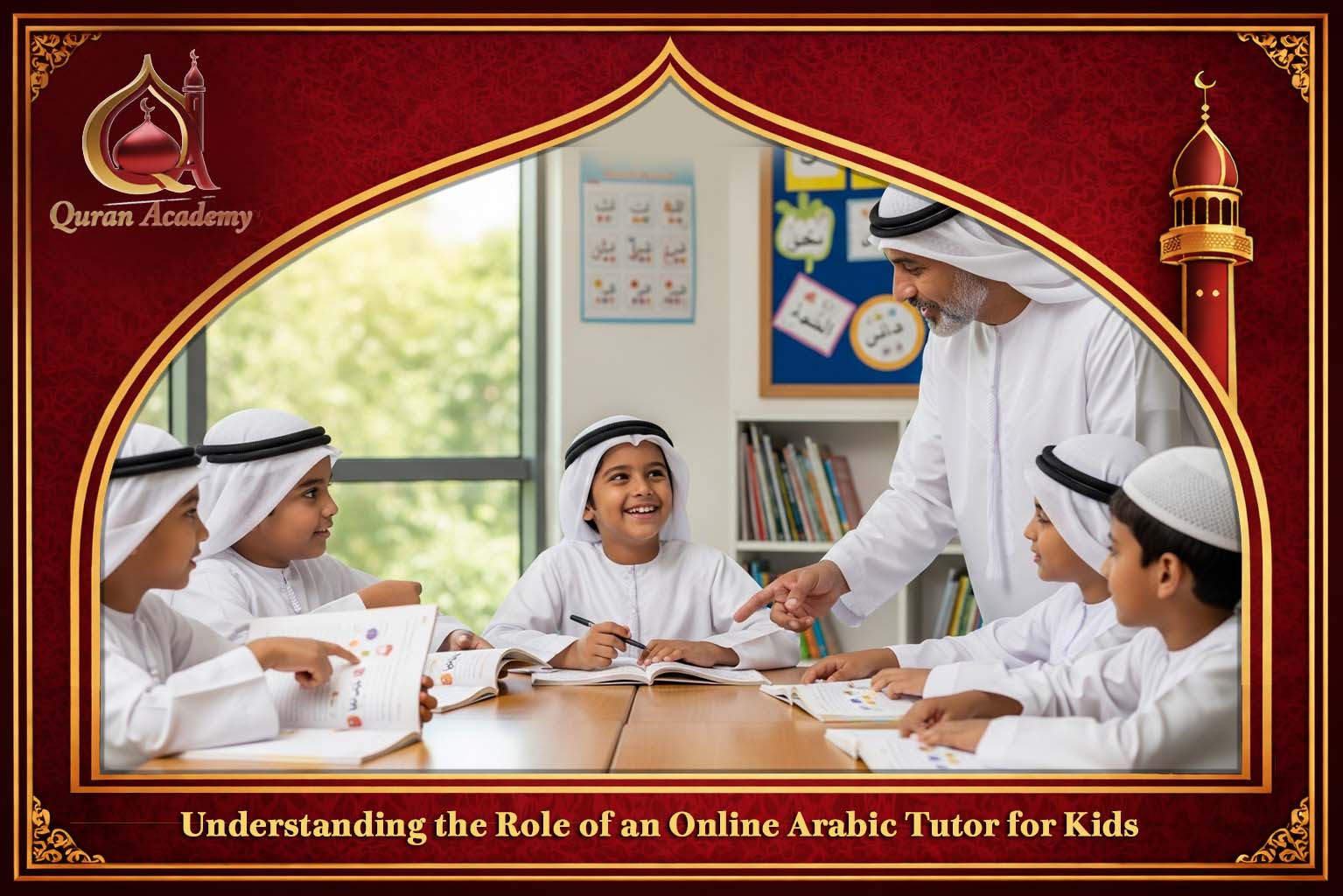
An online Arabic tutor for kids is not simply a teacher who delivers lessons through a screen. It is a structured educational experience where the tutor adapts lessons according to the child’s level, attention span, and learning style.
Unlike traditional group-based learning, tutoring focuses on individual progress. This means a child who struggles with pronunciation can spend more time practicing sounds, while another child who learns quickly can move ahead to sentence formation and conversation.
The goal is not only to teach Arabic but to build confidence in using it. Many children hesitate when learning a new language, but personalized tutoring helps remove that barrier through encouragement and consistent interaction.
Online Quran Academy
Online Quran Academy at quran academy for kids offers a simple and effective way for children to learn the Quran and Arabic in a structured and engaging environment. The program focuses on guiding kids step by step, starting from Arabic letters and pronunciation, then moving to reading and correct recitation.
At quran academy for kids, lessons are designed to match each child’s level, helping them learn at their own pace with interactive and easy explanations. This approach builds confidence, improves recitation skills, and strengthens understanding.
The goal is to create a meaningful learning experience that connects children with the Quran in a practical and enjoyable way.

Why Personalized Arabic Learning Matters for Children
Children learn best when the learning experience feels natural rather than forced. Arabic, with its unique script and sound system, can seem challenging at first. However, when taught through one-on-one or small guided sessions, it becomes much easier to absorb.
A tutor can immediately correct pronunciation, explain meanings in a simple way, and adjust the lesson pace based on the child’s response. This level of attention is rarely possible in larger group settings.
Another important factor is consistency. Children often lose interest when lessons feel repetitive or disconnected from their daily life. A skilled tutor keeps lessons dynamic by using storytelling, visuals, and conversation practice, making Arabic feel alive rather than abstract.
Read also:learn islam online
How Online Arabic Tutoring Works
The structure of online Arabic tutoring is designed to be simple yet effective. Users can also explore Online Arabic lessons for kids for more related options.Sessions usually take place through interactive platforms where the child and tutor can see, hear, and communicate in real time.
Lessons typically include:
- Learning Arabic letters and sounds in an interactive way
- Building vocabulary through pictures and repetition
- Practicing pronunciation through guided conversation
- Reading short stories suitable for children
- Writing exercises adapted to skill level
The tutor also monitors progress continuously, ensuring that the child fully understands each concept before moving forward. This prevents gaps in learning and builds a strong foundation.
Platforms like quran academy for kids have introduced structured methods that combine language learning with interactive activities, making the process more engaging for young learners.
Read also:tajweed rules explained
The Importance of Engagement in Language Learning
One of the biggest challenges in teaching children any language is maintaining their attention. Traditional methods often fail because they rely heavily on repetition without interaction.
Modern tutoring methods solve this by using:
- Educational games that reinforce vocabulary
- Visual storytelling to explain meanings
- Audio repetition for pronunciation practice
- Short quizzes to test understanding
These methods transform learning into an enjoyable experience rather than a task. When children enjoy the process, they naturally become more consistent and motivated.
A well designed program such as quran academy for kids integrates these techniques into its learning structure, ensuring that children remain engaged throughout their lessons.
Read also:aqidah course online
Benefits of Online Arabic Tutoring for Kids
The advantages of personalized Arabic tutoring go far beyond language learning. It also contributes to a child’s overall cognitive and emotional development.
1. Improved Communication Skills
Children learn how to express thoughts clearly in Arabic, which also strengthens their communication abilities in general.
2. Stronger Memory and Focus
Learning a new language improves memory retention and enhances concentration skills.
3. Confidence Building
Speaking regularly with a tutor helps children overcome hesitation and build confidence in using the language.
4. Academic Support
Language learning supports other academic areas by improving logical thinking and comprehension skills.
5. Cultural Awareness
Children gain a better understanding of cultural expressions and linguistic diversity.
These benefits make online tutoring not just an educational choice but a developmental investment.
Qualities of an Effective Arabic Tutor for Kids
Not every tutor is naturally suited to teaching children, as this role requires a special combination of patience, creativity, and the ability to break down complex language concepts into simple, understandable steps. A good Arabic tutor understands how children think and learns how to make lessons feel natural and engaging rather than overwhelming.
An effective tutor should use clear and simple language that matches the child’s level of understanding. Patience is essential, along with a supportive attitude that encourages children to try without fear of making mistakes. Lessons should be adapted based on each child’s progress, ensuring that no learner is left behind or rushed ahead too quickly.
Interactive teaching tools such as visuals, storytelling, and activities help keep children focused and interested. A friendly and supportive approach also plays a key role in building trust. When children feel comfortable with their tutor, they become more confident, and this emotional connection significantly improves long-term learning success and language retention.
Read also:female quran teacher online
Structured Learning Platforms and Their Role
Structured learning platforms help organize islamic classes for kids in a way that ensures steady progress. Instead of random topics, children follow a curriculum designed to build skills step by step.
These platforms usually include:
- Beginner, intermediate, and advanced levels
- Regular assessments to track progress
- Interactive lesson plans
- Flexible scheduling options
A well-known example is quran academy for kids, which focuses on structured Arabic learning combined with engaging teaching techniques. It provides a clear path from basic letter recognition to full sentence construction and communication.
Learning Methods That Keep Children Motivated
Keeping children motivated is one of the most important aspects of language learning. Without motivation, even the best curriculum can fail.
Effective methods include:
- Story-based learning to make lessons meaningful
- Role-playing conversations to practice real-life situations
- Visual aids like flashcards and animations
- Repetition through fun exercises instead of memorization
- Reward systems to encourage progress
These methods ensure that learning Arabic does not feel like a chore but rather an enjoyable daily activity.
Challenges Children Face and How Tutors Solve Them
Learning Arabic can come with challenges, especially for beginners. Some children may struggle with pronunciation, while others may find writing unfamiliar characters difficult.
Tutors address these challenges by:
- Breaking lessons into smaller, manageable steps
- Repeating difficult concepts in different ways
- Using audio-visual support for clarity
- Encouraging practice without pressure
- Providing consistent feedback
Over time, these strategies help children overcome difficulties and build confidence in their abilities.
Read also: Seerah Course Online
Long-Term Arabic Learning Outcomes for Kids
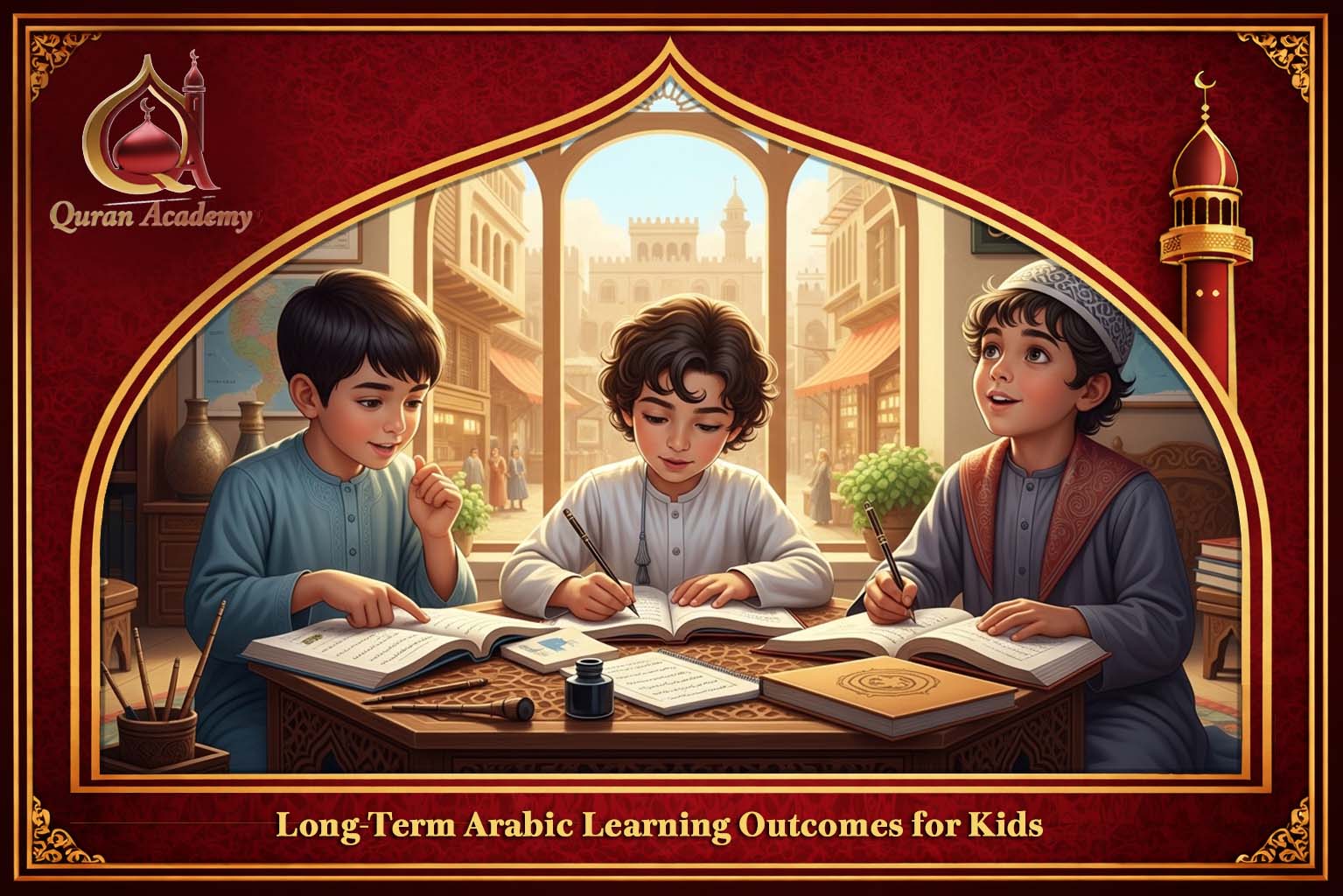
With consistent tutoring, children gradually build strong and lasting Arabic language skills. They start by recognizing letters and sounds, then progress to forming simple sentences, and eventually develop the ability to hold full conversations with confidence and ease.
Long-term outcomes include:
- Fluent reading and comprehension
- Clear pronunciation and improved speaking ability
- Ability to write basic and advanced sentences
- Confidence in using Arabic in daily communication
This steady learning process ensures that children move step by step without pressure, allowing them to fully understand and apply what they learn. Each stage builds on the previous one, creating a solid foundation in the language.
The main goal is not only academic progress but also real-world usability of Arabic, enabling children to communicate naturally, express themselves clearly, and use the language effectively in everyday situations with confidence and independence.
FAQ
1. At what age can a child start learning Arabic with an online tutor?
Children can start as early as the age when they recognize letters and sounds, as tutoring adapts to their developmental stage.
2. How often should kids take online Arabic tutoring sessions?
Two to three sessions per week are usually effective, depending on the child’s attention span and learning goals.
3. Can online tutoring help children who struggle with language learning?
Yes, personalized tutoring is especially helpful for children who need extra time and focused attention to understand new concepts.
In conclusion, learning Arabic through a structured and supportive method helps children build strong and lasting language skills step by step. They progress from recognizing letters to reading, writing, and speaking with confidence and clarity. This steady development ensures real understanding rather than short-term memorization.
With consistent guidance, children become more confident in using Arabic in everyday communication and develop better language fluency over time. Interactive and engaging learning methods make the process easier and more enjoyable.
The main goal is to create a practical connection with the language, allowing children to use Arabic naturally in real-life situations with ease.
Read also: