What is Hajj in Islam is one of the most important questions for anyone who wants to understand the fifth pillar of Islam, and at quran academy students can learn it in a simple and clear way. Hajj is not only a journey to Makkah, but it is also a deep spiritual act of worship that changes the heart of a Muslim and strengthens their connection with Allah.
Every year, millions of Muslims travel to Makkah to perform Hajj. They come from different countries and cultures, yet they all share one goal: worship Allah, seek forgiveness, and return spiritually renewed. In addition, Hajj teaches patience, humility, and unity among Muslims. Moreover, it reminds believers of Prophet Ibrahim’s sacrifice and faith. Ultimately, it is a life-changing journey.
Hajj in Islam Clear and Simple Guide for Muslims
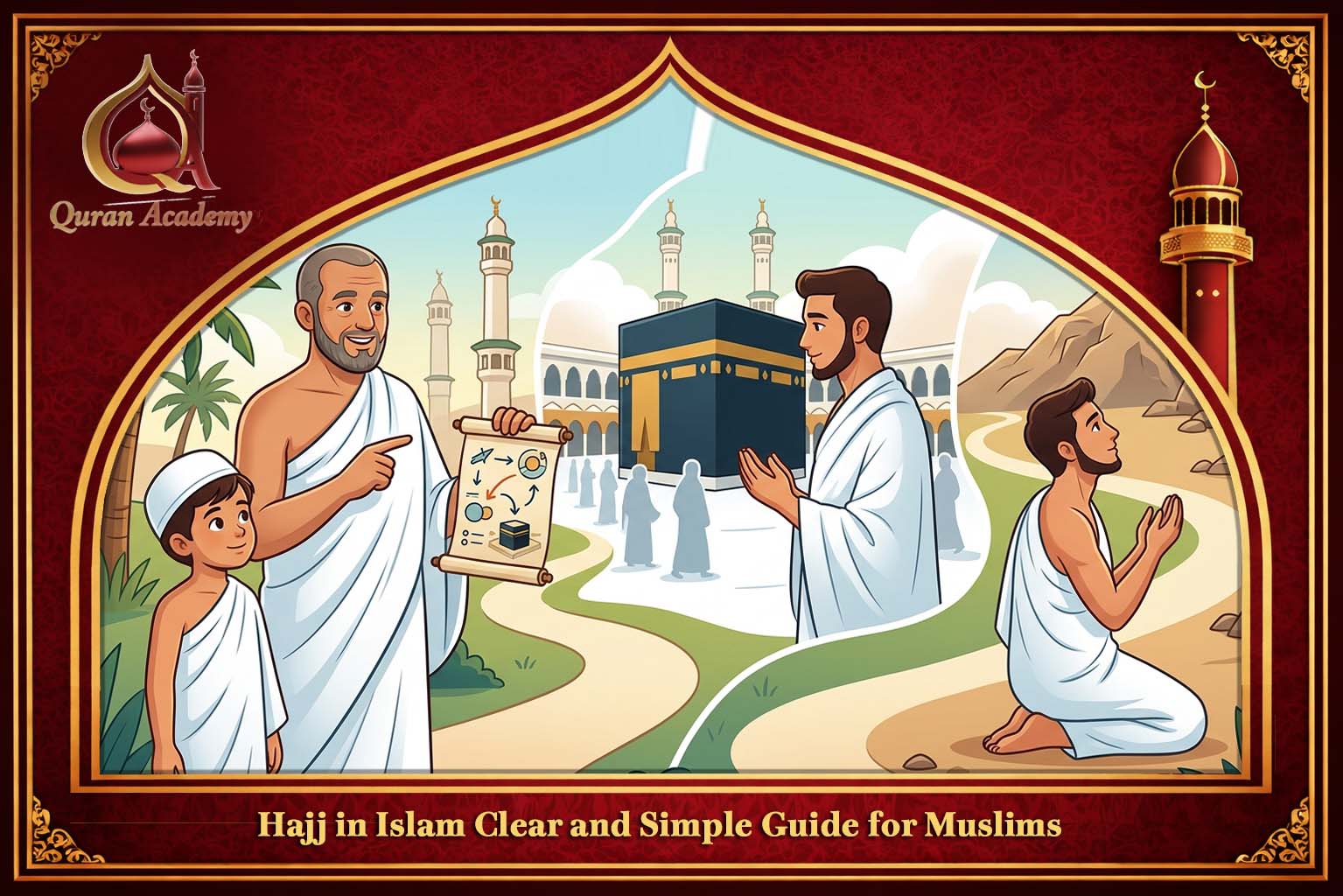
What is Hajj in Islam? This is one of the most important questions for anyone who wants to understand the purpose of this great pillar of Islam. Hajj is not only a journey to Makkah; rather, it is a deep spiritual experience that changes the heart of a Muslim and brings them closer to Allah.
Every year, millions of Muslims travel to the holy city of Makkah to perform Hajj. They come from different countries, languages, and cultures; however, they all share the same goal: to worship Allah, seek forgiveness, and return spiritually renewed.
In addition, Hajj teaches unity, patience, and humility among believers. Moreover, it reminds Muslims of the story of Prophet Ibrahim (peace be upon him) and his family. Ultimately, it is a journey of faith that transforms the believer’s life completely.
Online Quran Academy
An online Quran academy provides an easy and flexible way for Muslims of all ages to learn the Holy Quran from home. It helps students improve their recitation, understand Tajweed rules, and build a stronger connection with the words of Allah without the need to travel.
One of the trusted platforms in this field is quran academy, which offers structured lessons designed for beginners and advanced learners alike. Through interactive classes, qualified teachers, and simple learning methods, students can progress step by step at their own pace.
In addition, an online Quran academy allows learners from different countries to study together, making Islamic education more accessible and convenient for everyone.

The Meaning of Hajj in Islam
Hajj is the fifth pillar of Learn islam online . Therefore, it is an obligation for every Muslim who is able to perform it physically and financially. It takes place during specific days in the month of Dhul Hijjah.
In addition, Hajj represents complete submission to Allah. It teaches Muslims how to leave behind worldly life and focus fully on worship. As a result, the pilgrim experiences a deep sense of peace and humility.
Moreover, Hajj brings Muslims together in one place. This unity shows that all believers are equal in the eyes of Allah, regardless of race, wealth, or social status.
Why Hajj Is a Life-Changing Journey for Every Muslim
Hajj holds a very high position in Islamic courses online because it is one of the five pillars of the religion and an essential act of worship for every able Muslim. First of all, it connects Muslims with the history of Prophet Ibrahim (peace be upon him) and his family, who showed great faith, patience, and obedience to Allah. In addition, it reminds believers of sacrifice, humility, and complete trust in their Creator.
Furthermore, Hajj is a powerful spiritual journey that purifies the heart and strengthens faith. Because of this experience, many pilgrims return with a renewed sense of purpose and a stronger relationship with Allah. Moreover, the Prophet Muhammad ﷺ explained that an accepted Hajj removes past sins. Therefore, Muslims view it as a unique opportunity for forgiveness and a fresh start. Ultimately, Hajj becomes a life-changing experience that transforms the believer spiritually and morally.
Types of Hajj
Islam allows three types of Hajj. Each type follows different rules, but all are valid and accepted.
1. Tamattu Hajj
In this type, the pilgrim performs Umrah first and then Hajj later. Between them, the pilgrim exits Ihram temporarily. Also, a sacrifice is required.
2. Qiran Hajj
In this type, the pilgrim combines Umrah and Hajj without leaving Ihram. Because of this, the pilgrim remains in a sacred state for a longer time. A sacrifice is also required.
3. Ifrad Hajj
In this type, the pilgrim performs only Hajj without Umrah. Unlike the other types, this form does not always require a sacrifice.
Among these types, many scholars recommend Tamattu because it is easier for most pilgrims and follows the practice of the Prophet ﷺ in his Farewell Pilgrimage.
How to Prepare for Hajj
Preparation is very important for performing Best online islamic classes correctly and with full understanding. Therefore, every pilgrim should begin planning early in order to complete all arrangements smoothly and without stress.
First of all, the pilgrim should choose the type of Hajj they will perform, such as Tamattu, Qiran, or Ifrad. After that, all travel arrangements must be completed, including visa, flight tickets, accommodation, and transportation. In addition, it is important to prepare all required documents before departure.
Moreover, Learning the rituals of Hajj is essential. This helps the pilgrim understand each step clearly and perform worship correctly without confusion.
Spiritual preparation is also necessary. A Muslim should repent, ask Allah for forgiveness, and try to improve their behavior before traveling.Many pilgrims also study through platforms like quran academy, which explains Hajj steps in a simple and clear way.
Step-by-Step Overview of Hajj
Hajj includes several rituals that must be performed in a specific order. Each step has a deep meaning and teaches an important lesson.
1. Intention (Niyyah)
First, the pilgrim makes a sincere intention in the heart to perform Hajj only for Allah.
2. Entering Ihram
Next, the pilgrim enters What is Ihram. Men wear simple white clothing, while women wear modest clothing. At this stage, the pilgrim avoids perfume, arguments, and other restricted actions.
3. Talbiyah
Then, the pilgrim repeatedly says the Talbiyah to express submission to Allah.
4. Tawaf around the Kaaba
After reaching Makkah, the pilgrim walks around the Kaaba seven times. This action shows unity in worship.
5. Sa’i between Safa and Marwah
After Tawaf, the pilgrim walks between Safa and Marwah. This ritual reminds Muslims of the struggle of Hajar and her trust in Allah.
The Main Days of Hajj
8th Dhul Hijjah
On this day, pilgrims travel to Mina. They pray and prepare for the next stages of Hajj.
9th Dhul Hijjah (Day of Arafah)
This is the most important day of Hajj. Pilgrims stand in Arafah, pray, and ask Allah for forgiveness. As a result, many Muslims believe this day brings great mercy.
10th Dhul Hijjah (Eid al-Adha)
On this day, pilgrims perform several important rituals such as:
- Stoning the pillars
- Sacrificing an animal
- Shaving or trimming the hair
- Performing Tawaf al-Ifadah
11th–13th Dhul Hijjah
After that, pilgrims continue stoning the pillars in Mina and complete the remaining rituals.
Final Tawaf
Finally, before leaving Makkah, pilgrims perform a farewell Tawaf around the Kaaba.
Common Mistakes During Hajj
Although Hajj is a clear and structured worship, some pilgrims still make mistakes. For example:
- They raise their voices during group supplications
- They assign fixed prayers for each round of Tawaf
- They misunderstand the meaning of Jamarat
- They leave Arafah too early
- They focus too much on photography
- They perform unnecessary extra rituals
Therefore, learning before travel becomes very important.
The Spiritual Preparation Before Performing Hajj in Islam
Before setting out for Hajj, a Muslim undergoes a deep stage of spiritual preparation that is just as important as the physical journey itself. Hajj in Islam is not simply a travel experience; it is a sacred act of worship that requires a purified heart, sincere intention, and complete devotion to Allah. Therefore, a pilgrim must begin by repenting from past sins, seeking forgiveness, and making a firm intention to start a new chapter in life.
In addition, many scholars emphasize the importance of learning about the meaning of each ritual before departure. When a pilgrim understands why they are performing Tawaf, Sa’i, or standing in Arafah, the experience becomes more meaningful and impactful. Furthermore, reducing attachments to worldly distractions helps the pilgrim focus fully on worship. This preparation ensures that the heart is ready to receive the spiritual benefits of Hajj and that every action is performed with awareness, humility, and sincerity.
The Deep Wisdom Behind Hajj Rituals in Islam
Every step of Hajj in Islam carries a profound meaning that goes beyond physical movement. The rituals are not random actions; rather, they are symbolic lessons that reflect obedience, sacrifice, and unity. For example, Tawaf around the Kaaba represents the unity of Muslims in worshiping one Allah, as all believers move in the same direction regardless of their background, nationality, or social status.
Similarly, the Sa’i between Safa and Marwah reminds Muslims of the struggle and patience of Hajar (may Allah be pleased with her), who trusted Allah completely in a moment of extreme difficulty. In addition, standing in Arafah teaches humility and repentance, as millions of Muslims gather in one place, asking Allah for forgiveness. These rituals together form a complete spiritual system that strengthens faith and reshapes the believer’s understanding of life, purpose, and devotion.
How Hajj Builds Unity Among Muslims Worldwide
One of the most powerful aspects of Hajj in Islam is its ability to bring together Muslims from every corner of the world in one place, at one time, performing the same rituals in the same way. This gathering is a living demonstration of Islamic unity, where differences in race, language, and nationality disappear completely. Everyone stands equal before Allah, wearing the same simple Ihram clothing and focusing only on worship.
This experience creates a strong sense of brotherhood among Muslims, as they share the same spiritual goal and support one another during the journey. Moreover, the diversity of cultures present in Hajj shows the global nature of Islam and strengthens the understanding that all believers are part of one Ummah. As a result, many pilgrims return home with a renewed appreciation for unity, tolerance, and mutual respect among Muslims worldwide.
The Life Lessons Muslims Learn from Hajj in Islam
Hajj is not only a religious obligation but also a source of lifelong lessons that deeply influence a Muslim’s character. One of the most important lessons is patience, as pilgrims face physical effort, large crowds, and strict schedules. This teaches them how to remain calm and focused even in difficult situations.
In addition, Hajj teaches complete reliance on Allah, as pilgrims leave behind their comfort and trust in His guidance throughout the journey. It also strengthens discipline, since every ritual must be performed at a specific time and in a specific order. Moreover, Hajj encourages self-reflection, helping Muslims evaluate their past actions and make sincere changes in their lives. These lessons do not end with the pilgrimage; rather, they continue to shape the believer’s behavior long after returning home.
Why Learning Hajj Before Travel Is Essential for Every Muslim
Proper knowledge before performing Hajj in Islam is extremely important because it ensures that the pilgrim performs each ritual correctly and with full understanding. Without prior learning, a person may become confused during the journey or miss the spiritual depth behind each action. Therefore, studying the rules and steps of Hajj in advance is considered a key part of preparation.
Today, many learners benefit from structured educational platforms like the Quran Academy, which explain the rituals of Hajj in a simple and organized way. These platforms help break down complex information into easy lessons, making it accessible for beginners and advanced learners alike. As a result, pilgrims arrive in Makkah more confident, more focused, and more spiritually prepared to perform this great pillar of Islam in the best possible way.
How Hajj Transforms a Person Spiritually and Morally
Hajj transforms a person in many deep and lasting ways. First of all, it removes pride from the heart and replaces it with humility, because every pilgrim stands equally before Allah, wearing simple clothing without any signs of status or wealth.
Secondly, it strengthens patience, since the pilgrim experiences crowded places, physical effort, and continuous acts of worship over several days. In addition, it builds discipline, as each ritual must be performed at a specific time and in an exact order, which trains the believer to follow guidance carefully.
Moreover, Islamic studies online increase awareness of Allah and strengthen the spiritual connection between the servant and the Creator. Through constant prayer, remembrance, and supplication, the heart becomes softer and more focused on faith.
As a result, many pilgrims return with a new outlook on life. They often feel calmer, more grateful, and more spiritually aware. Furthermore, they tend to change their daily behavior, avoid sins more carefully, and increase their worship. Ultimately, Hajj becomes a life-changing experience that reshapes character and renews faith.
The Importance of Learning Before Performing Hajj
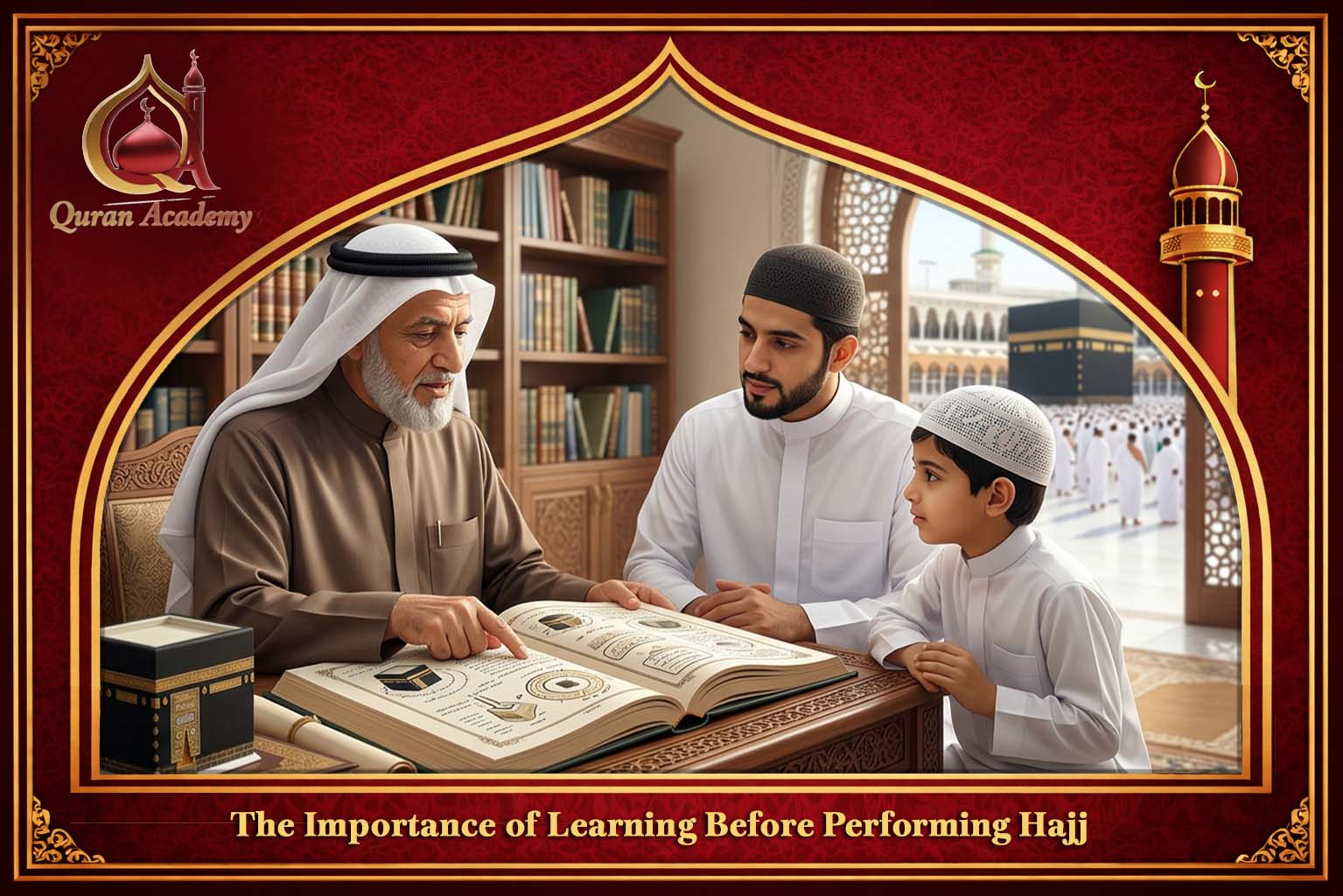
Learning before performing Hajj is essential for every pilgrim who wants to complete this great act of worship correctly and with full understanding. First of all, Hajj includes many rituals that must be performed in a specific order, and without proper knowledge, a pilgrim may feel confused or unsure during the journey. Therefore, gaining knowledge in advance helps remove uncertainty and builds confidence.
In addition, many Muslims today rely on educational platforms such as quran academy to study the steps of Hajj in a clear and structured way. These platforms explain the rituals in simple language, which makes learning easier for everyone, especially first-time pilgrims. As a result, the pilgrim becomes more prepared mentally and spiritually before traveling.
Moreover, learning beforehand allows the pilgrim to focus more on worship instead of worrying about mistakes. Consequently, each act is performed with more attention, peace, and sincerity. Ultimately, proper learning ensures that Hajj is completed in the best possible way and with a deeper spiritual experience.
Frequently Asked Questions (FAQs)
provide quick and clear answers to the most common questions about Hajj in Islam, helping readers understand the topic easily.
1. What is Hajj in Islam?
Hajj is the fifth pillar of Islam and a mandatory pilgrimage to Makkah for every able Muslim once in their lifetime.
2. Who is required to perform Hajj?
Hajj is required for adult Muslims who are physically, financially, and mentally able to perform the journey.
3. When is Hajj performed?
Hajj is performed annually during the Islamic month of Dhul Hijjah, specifically from the 8th to the 13th day.
In conclusion, Hajj is a powerful act of worship that holds a very high position in Islam. It is not only a physical journey to Makkah, but also a deep spiritual experience that transforms the heart and strengthens faith. Through its rituals, Muslims learn patience, humility, unity, and complete submission to Allah.
Moreover, Hajj reminds believers of the great legacy of Prophet Ibrahim (peace be upon him) and his unwavering obedience to Allah. As a result, many pilgrims return with a renewed sense of purpose and a stronger connection to their Creator.
Ultimately, understanding What is Hajj in Islam helps every Muslim appreciate its true meaning and prepare for it with sincerity, knowledge, and devotion.